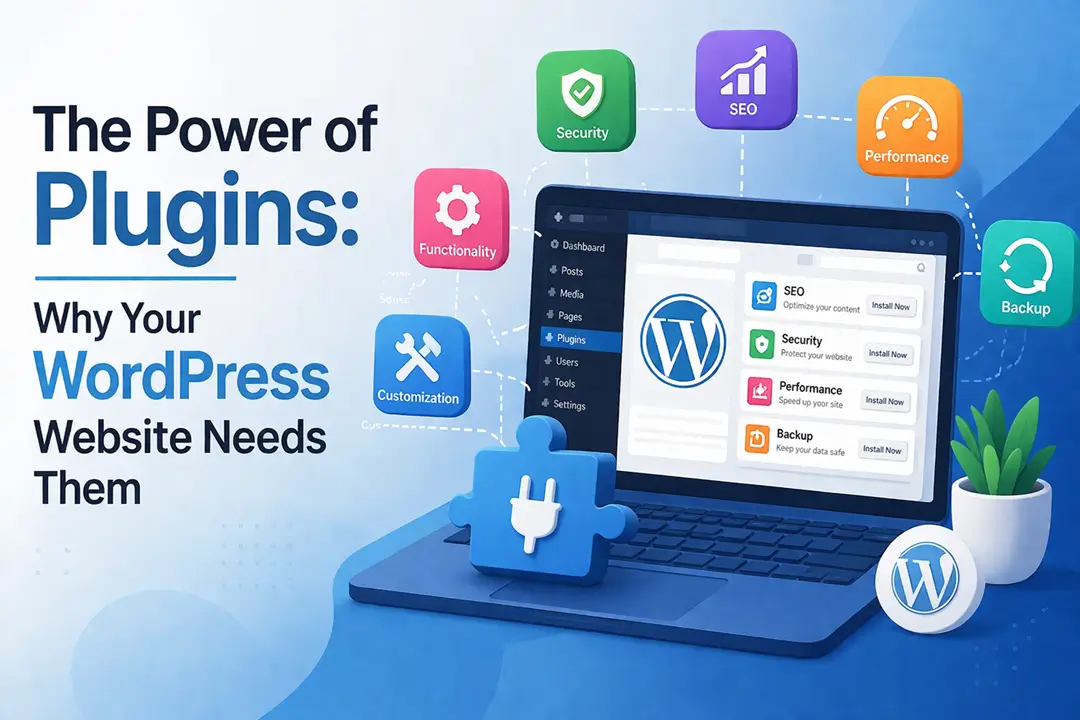
Plugins are the architectural marvel of WordPress. They allow non-technical administrators to deploy complex logic—from robust membership gates to sophisticated caching rules—in a matter of seconds. They democratize software engineering.
However, with great power comes the responsibility of technical curation. We explore the architectural philosophy of "Plugin Minimization," advocating for custom functions.php snippets for trivial tasks, while reserving plugins for heavy, security-sensitive integrations. Installing thirty plugins to handle minor CSS modifications is a technical death sentence.
By understanding how plugins interact with the WordPress Hook system (Actions and Filters), developers can seamlessly stitch together isolated logic blocks into a unified, high-performance platform. A masterfully built WordPress site operates like a highly tuned orchestra.
We delve deeply into the world of Custom Post Type UI and Advanced Custom Fields. These specific foundational plugins transform WordPress from a blogging engine into a total data-relationship framework, capable of running complex real-estate directories or multi-vendor marketplaces effortlessly.
Security plugins act as the critical perimeter layer. Tools that implement brute-force login protection, automated malware scanning cascades, and dynamic IP blocking are non-negotiable. However, they must be configured properly to avoid devouring server CPU resources during rigorous scans.
We also explore the financial ecosystem surrounding plugins. Relying entirely on poorly-supported, free repository plugins introduces critical risk when WordPress core forces a monumental architectural update. Investing in enterprise-tier, licensed software with dedicated engineering support teams mitigates operational disaster.
Mastering plugins is the difference between a sluggish, vulnerable website and an impenetrable, incredibly fast digital powerhouse.